
一、运算符重载
运算符重载允许把标准运算符(如+、—、*、/、<、>等)应用于自定义数据类型的对象,这样我们在用自己的数据类型进行运算时,写出的代码更直观易读。比如我们定义了了复数类Complex,重载了+-运算符之后我们就可以直接Complex c = a+b;在这一点上C++和Java不同,Java不允许运算符重载,但是我们经常在程序里看到String c = a+b;这样的写法,好像String重载了+运算符一样,实际上String中的+号会转换为StringBuffer的append方法操作,这是在java编译器做的处理,我们反编译之后就能看到String c = a+b;实际上被转换成了c = (new StringBuilder()).append(a).append(b).toString();
二、成员函数重载
成员函数原型声明的格式:
函数类型 operator运算符(参数表);
成员函数定义的格式:
函数类型 类名::operator运算符(参数表){
函数体;
}
三、非成员函数重载
友元函数原型的格式:
friend 函数类型 operator 运算符(参数表);
友元函数定义的格式:
friend 函数类型 类名::operator运算符(参数表){
函数体;
}
四、运算符重载规则
虽然运算符重载非常有用,但是使用运算符重载的时候也有一些限制如下:
- 运算符重载不允许发明新的运算符。
- 不能改变运算符操作对象的个数。
- 运算符被重载后,其优先级和结合性不会改变。
- 不能重载的运算符:
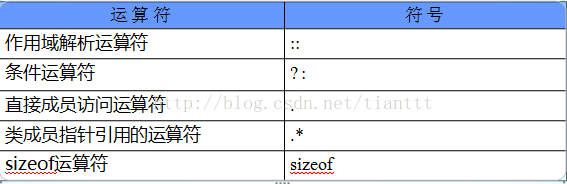
一般情况下,单目运算符最好重载为类的成员函数;双目运算符则最好重载为类的友元函数。
以下一些双目运算符不能重载为类的友元函数:=、()、[]、->。
类型转换运算符只能以成员函数方式重载
流运算符只能以友元的方式重载
注意:
注意:运算符重载仅仅只是语法上的方便,它是另一种函数调用的方式,它的本质上是函数重载另外,不要滥用重载、因为它只是语法上的方便,所以只有在涉及的代码更容易写、尤其是更易读时才有必要重载
例子:
#ifndef _COMPLEX_H_
#define _COMPLEX_H_
//.h
class Complex
{
public:Complex(int real, int imag);Complex();~Complex();Complex& Add(const Complex& other);void Display() const;//Complex operator+(const Complex& other);friend Complex operator+(const Complex& c1, const Complex& c2);private:int real_;int imag_;
};#endif // _COMPLEX_H_
#include "Complex.h"
#include <iostream>
using namespace std;
//.cpp
Complex::Complex(int real, int imag) : real_(real), imag_(imag)
{
}Complex::Complex()
{
}Complex::~Complex()
{
}Complex& Complex::Add(const Complex &other)
{real_ += other.real_;imag_ += other.imag_;return *this;
}Complex operator+(const Complex& c1, const Complex& c2)
{int r = c1.real_ + c2.real_;int i = c1.imag_ + c2.imag_;return Complex(r, i);
}void Complex::Display() const
{cout<<real_<<"+"<<imag_<<"i"<<endl;
}#include "Complex.h"int main(void)
{Complex c1(3, 5);Complex c2(4, 6);Complex c3 = c1 + c2; // 等价于c1.operator(c2) 或 opearator+(c1, c2);//Complex c3 = c1.operator +(c2);c1.Display();c2.Display();c3.Display();return 0;
}